
Exploring the psychology of casino players
The Thrill of Gambling: Understanding the Motivations
The psychology of casino players often stems from the thrill and excitement associated with gambling, where many individuals find that playing payid online pokies enhances their experience. The adrenaline rush that comes with high stakes, the uncertainty of outcomes, and the potential for significant financial rewards are all enticing factors. This need for excitement can be rooted in various psychological factors, including sensation-seeking traits, where individuals crave novel and intense experiences. Consequently, the casino environment, with its bright lights, sounds, and vibrant atmosphere, serves as an alluring backdrop that amplifies this thrill-seeking behavior.
Additionally, the social aspects of casinos can significantly enhance the gaming experience for many players. The interactions with other gamblers, the camaraderie built over shared games, and even the competitive spirit seen at gaming tables can all contribute to a player’s enjoyment. For some, visiting a casino becomes a social outing, blending entertainment with the allure of potentially winning. This social motivation intertwines with the thrill of gambling, making it a multifaceted experience that appeals to various psychological needs.
Another important aspect that drives players to casinos is the escape from daily routines and stressors. Many people view gambling as a temporary retreat from their everyday lives, where they can immerse themselves in a different reality. This psychological escape can lead to a heightened focus on the game at hand, allowing players to forget their troubles for a while. However, this escapism can also pose risks, as relying on gambling for emotional relief may lead some individuals into problematic behaviors and compulsive gambling patterns.
The Role of Cognitive Biases in Gambling
Cognitive biases play a significant role in the decision-making processes of casino players. One common bias is the illusion of control, where players believe they can influence the outcome of games based on skill or strategy, despite many casino games being purely based on chance. This misconception can lead to a false sense of confidence, prompting players to continue gambling even after experiencing losses. Players may insist that by adjusting their strategies, they can turn the tide in their favor, often ignoring the fundamental randomness of the games.
Another prevalent cognitive bias in gambling is the gambler’s fallacy. This concept suggests that players believe past events can influence future outcomes in a game of chance. For instance, if a player observes a particular number not appearing on a roulette wheel, they may incorrectly assume that it is “due” to hit soon. Such thinking demonstrates a misunderstanding of probability and can encourage persistent play, often resulting in large financial losses over time. These biases underscore the complex interplay between psychology and gambling behavior, which can greatly affect decision-making.

Moreover, the framing effect influences how players perceive their chances of winning. When outcomes are presented in a way that highlights potential winnings rather than losses, players may be more likely to engage in risky behavior. For instance, a player might focus on the thrill of a possible jackpot rather than the likelihood of losing their stake. This skewed perception can lead to reckless gambling habits and a deeper dive into casinos, reinforcing the cycle of gambling behavior that may be hard to break.
The Impact of Personality Traits on Gambling Behavior
Personality traits significantly affect how individuals approach gambling contexts. Research indicates that individuals high in traits such as impulsivity are more likely to engage in gambling activities. Impulsive individuals tend to make hasty decisions without fully considering the consequences, resulting in behaviors that can lead to excessive gambling. These traits can also lead to a pattern of chasing losses, where players continue to gamble in hopes of recovering lost money, often leading to greater financial strife.
Moreover, risk tolerance can vary widely among casino players. Some individuals embrace high-risk games, drawn to the potential for big wins, while others prefer lower-stakes, more strategic games. The differences in risk tolerance are often linked to personality traits, where those with higher novelty-seeking behavior are more likely to gamble on riskier options. This distinction in gambling preferences can significantly influence both the amount of money spent and the emotional outcomes associated with gambling, ranging from excitement to despair.
Lastly, other psychological factors like mood and emotional state can greatly impact gambling behavior. Individuals seeking excitement might gamble more when in positive moods, while those experiencing negative emotions may use gambling as a coping mechanism. Understanding these emotional triggers is essential for recognizing why certain individuals might engage in reckless gambling behavior, and it highlights the need for responsible gambling measures to support those who may struggle with their habits.
The Social Environment and Community of Gamblers
The social environment within casinos plays a pivotal role in shaping the experiences of players. Casinos are designed to be immersive spaces where the sounds of slot machines, cheers from winning tables, and the general buzz of activity create an enticing atmosphere. This social dynamic can encourage bonding among players, who share stories, strategies, and rituals around their chosen games. The sense of community can provide players with a support network, enhancing their enjoyment and making gambling a more fulfilling experience.
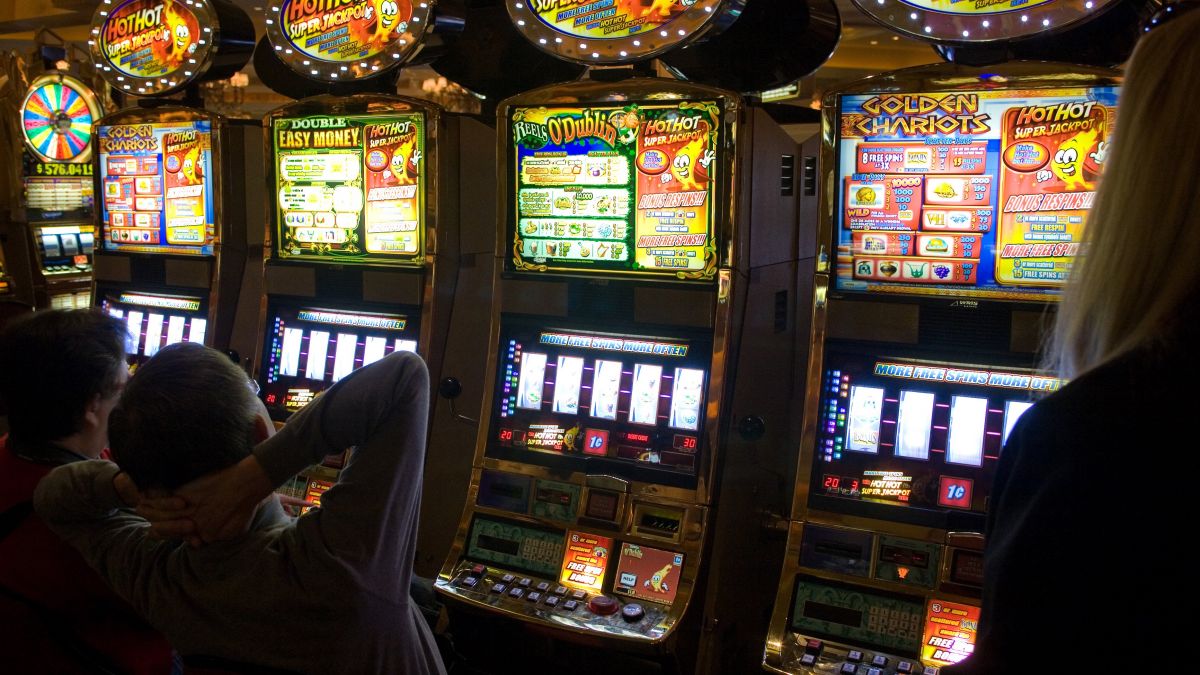
Interestingly, the communal aspect of gambling can also lead to peer pressure, prompting individuals to gamble more than they might typically engage in alone. The shared excitement of winning, along with the fear of missing out, can compel players to stay longer than intended. This environment can build an emotional investment in the gaming experience, making it more difficult for individuals to recognize when they should walk away. As such, casinos create an environment that both nurtures relationships among players and fosters a potentially unhealthy gambling culture.
Furthermore, involvement in gambling communities extends beyond the casino floor into online platforms, where interactions occur in virtual spaces. Online gambling forums and social media groups provide players opportunities to connect, share experiences, and even discuss strategies. These interactions foster a sense of belonging, influencing players’ decisions and behaviors even outside of physical casino spaces. Recognizing the profound impact of social interactions is essential for understanding the full scope of gambling behavior, as these connections can be both positive and negative.
Responsible Gambling and Resources for Players
Understanding the psychology behind gambling is crucial for promoting responsible gambling practices. Players must be aware of their motivations and how their psychological makeup influences their gambling behavior. Education and awareness campaigns can help individuals recognize problematic gambling patterns and understand the importance of setting limits. Many organizations offer resources to help players stay informed about responsible gambling, such as self-exclusion programs and support hotlines for those who may need assistance.
Moreover, casinos can play an essential role in fostering responsible gaming environments. By implementing measures such as age verification, promoting responsible gaming messages, and providing access to support resources, casinos can help mitigate the risks associated with gambling. This proactive approach not only benefits players but can also enhance the casino’s reputation and encourage a healthier gaming culture that prioritizes player welfare.
Ultimately, understanding the psychology of casino players is vital for both individuals and the broader gambling community. By recognizing the psychological motivations, biases, and social influences at play, stakeholders can work together to create safe, enjoyable environments where players can engage responsibly. Through education, awareness, and support, it is possible to foster a balanced relationship with gambling that respects the thrill while minimizing the risks associated with it.